Skilled Carpenter for Bespoke Woodwork Solutions
A experienced carpenter plays a vital role in custom woodwork services. Their proficiency ensures that projects are executed with accuracy and creativity. From custom cabinetry to unique shelving, these professionals transform ideas into functional pieces. Understanding the qualities that define a skilled carpenter can significantly affect the outcome of a project. Understanding how to successfully collaborate and budget is equally important. What essential elements should one consider when initiating such a bespoke undertaking?
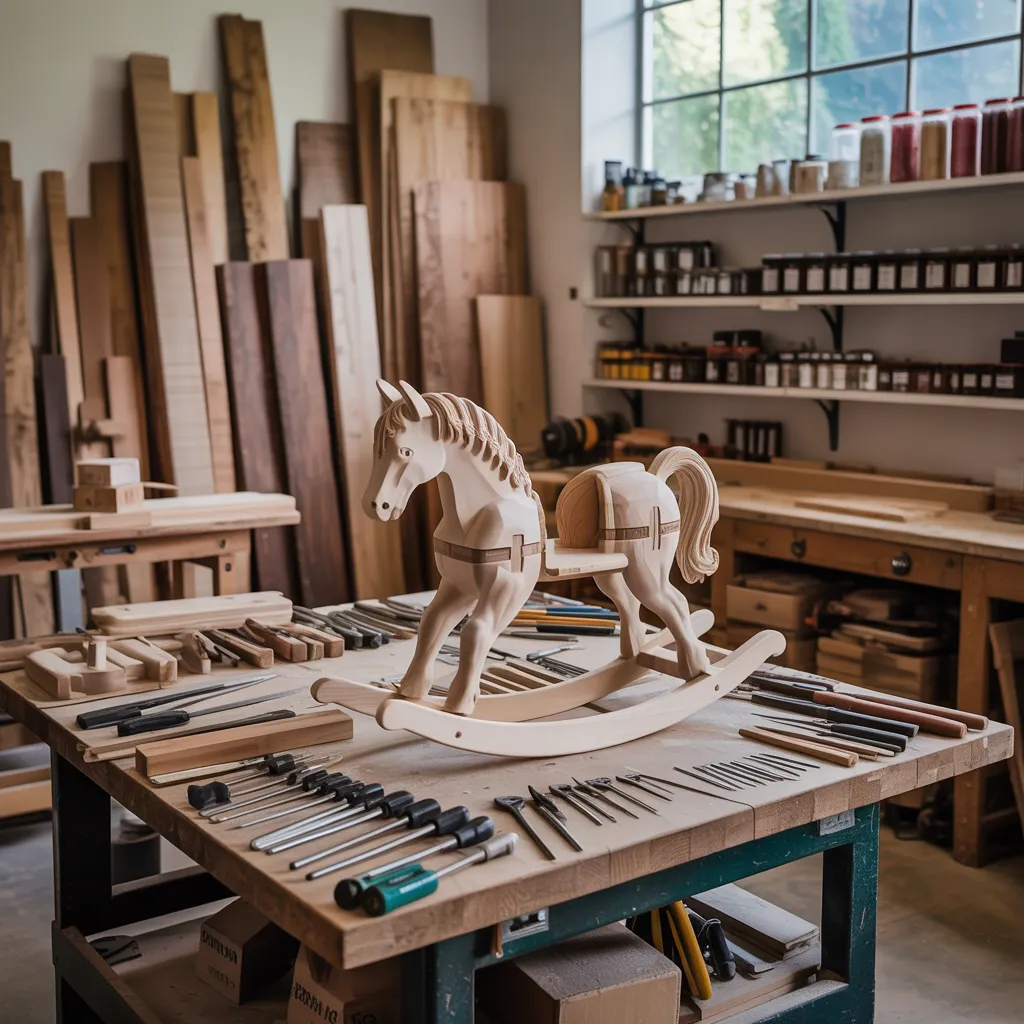
Why Select a Experienced Carpenter for Custom Woodwork?
Choosing a skilled carpenter for bespoke woodworking can greatly boost the quality and appearance of a project. Expertise in woodworking guarantees that each component is crafted with precision, careful focus, and a profound understanding of materials. Skilled carpenters possess the necessary tools and techniques to turn ideas into functional designs, whether it be cabinets, furniture, or decorative elements. Their experience allows them to anticipate challenges and provide creative solutions, resulting in a finished product that aligns with the client's vision. Moreover, a proficient carpenter can offer guidance into wood types, finishes, and design styles, enriching the overall outcome. The investment in a seasoned woodworker often leads to exceptional quality that stands the test of time, providing both beauty and durability. Ultimately, choosing a experienced carpenter is essential for achieving high-quality custom woodwork that improves any space.
Investigate Custom Wood Crafting Alternatives to Enrich Your Space
Custom woodwork options provide an array of opportunities for enhancing any room, allowing homeowners to customize their environments with distinctive designs. From bespoke cabinetry to intricate moldings, custom woodwork can transform ordinary rooms into remarkable ones. customized solutions such as built-in shelves, decorative mantels, and custom furniture can maximize functionality while enhancing aesthetic appeal.
Homeowners can choose from various wood types, finishes, and styles to establish a consistent look that complements their current decor. The adaptability of wood permits for both traditional and contemporary designs, catering to diverse tastes. Additionally, custom woodwork can fulfill specific needs, such as boosting storage capacity in small spaces or crafting unique focal points in larger areas.
Essential Characteristics to Look For in Your Wood Worker
When starting a custom woodwork assignment, it is critical to locate a carpenter who possesses key qualities that ensure both quality craftsmanship and effective communication. Above all, skill is important; a veteran carpenter brings valuable skills and insights that can enhance the project. Careful attention to detail is another key quality, as accuracy can significantly affect the final result. Additionally, creativity is significant, allowing the carpenter to suggest innovative solutions that align with the client's vision.
Reliability serves as a key factor; a trustworthy carpenter meets deadlines and adheres to timelines, ensuring a smooth workflow. Excellent interpersonal abilities are crucial, as they facilitate clear conversations about ideas, expectations, and potential challenges. Finally, a good carpenter should show a dedication to client contentment, focusing on the client's needs and preferences throughout the project. By identifying these qualities, clients can secure a successful collaboration and exceptional custom woodwork outcomes.
Tips for Teaming With Your Carpenter to Discuss Design Ideas?
Successful collaboration with a carpenter starts with openly sharing design visions. This direct communication supports a constructive discussion of ideas, where both parties can contribute imaginatively. Appreciating the carpenter's expertise can deliver innovative solutions that enhance the overall project.
Tell Your View
How can property owners ensure their design ideas are properly conveyed to their carpenter? Clear communication is crucial for successful collaboration. Homeowners should start by creating visual aids, such as drawings, photos, or mood boards, to illustrate their ideas. This helps bridge any gaps between imagination and implementation. Additionally, reviewing specific dimensions, materials, and final touches ensures that anticipations align. Frequent meetings during the design process encourage an transparent conversation, enabling for modifications and explanations as required. Homeowners should also be receptive to feedback, as skilled craftspeople often possess important knowledge from their background. By creating a teamwork environment, homeowners can ensure their concept is not just shared but also comprehended and brought to life effectively by their experienced woodworker.
Embrace Creative Ideas
Partnering with a craftsperson creates opportunities for creative design solutions that can transform any project. Strong teamwork depends on direct conversation, where clients convey their goals and tastes while staying receptive to the skilled artisan's insight. Providing rough drawings, visual boards, or reference images can deliver meaningful perspective, helping the artisan to grasp the intended look and usability.
In addition, engaging in brainstorming sessions nurtures a creative dialogue, where both parties can explore unique ideas and alternatives. The carpenter's experience can offer practical suggestions that strengthen the original vision, making sure the final product is both beautiful and functional. Ultimately, adopting creative input transforms a simple project into a personalized masterpiece, demonstrating the distinct style and needs of the client.
How to Plan financially for Your Custom Woodwork Project?
What elements should one consider when budgeting for a custom woodwork project? First, the choice of materials notably affects costs. Premium wood, hardware, and finishes can increase the project's price. Second, the complexity of the design should be evaluated; detailed patterns or custom features demand more time and skill, which can raise labor costs.
In addition, the magnitude of the project plays an important role; oversized pieces obviously necessitate more substance and labor. One must also be mindful of potential further expenses, such as permits or installation fees.
Finally, including a buffer for unforeseen expenses ensures the project remains within budget. By carefully evaluating these factors, one can develop a practical financial plan that represents both the quality desired and the constraints of available funds. Planning ahead and consulting with a skilled carpenter can additionally help in improving the budget, facilitating a successful custom woodwork examine now project.
Understanding the Extended Benefits of Bespoke Wood Craftsmanship
Putting money into handcrafted wood solutions reaches further than initial investment, yielding substantial long-term value that can enhance both aesthetics and functionality in a space. Excellent workmanship assures resilience, often outlasting mass-produced alternatives. Custom pieces are engineered to accommodate specific needs, optimizing space and boosting spatial organization, which can contribute to increased property value.
In addition, the singular appeal of custom woodwork delivers a personalized touch that enriches the ambient experience of a workplace or home. This made-to-order craftsmanship often engages interested parties and can allow a residence stand out in the sales market.
Additionally, artisan woodwork facilitates the use of renewable materials, supporting eco-friendly living. Clients typically find that the expense proves valuable through minimized maintenance costs and the classic appeal of custom-made items. Fundamentally, artisan woodwork is not simply a transaction; it's a pledge to quality and personal expression that can yield considerable returns over time.
Popular Inquiries Posed Regularly
What Kinds of Wood Work Best for Custom Projects?
Hardwoods such as oak, maple, and cherry serve as superior options for custom projects owing to their longevity and decorative qualities. Softwoods including pine and cedar remain popular for their workability and budget-friendly nature in diverse settings.
What Is the Standard Timeframe for a Custom Woodwork Project?
A custom woodwork project usually requires between a few days and several weeks, depending on the level of complexity, choice of materials, and skilled labor needed. Schedules may fluctuate significantly according to the project's specific requirements and the woodworker's schedule.
Can I see samples of Your Past Work?
Previous work examples are available via a compilation showcasing various pieces. Interested individuals can explore visuals and descriptions that accentuate workmanship and vision, demonstrating the scope and excellence of accomplished bespoke woodwork projects.
Can You Offer Guarantees on Your Custom Woodwork?
Yes, warranties are extended on tailored wood items, confirming quality and durability. This promise reflects belief in craftsmanship, permitting buyers to feel confident in their investment, aware that any issues will be addressed expeditiously.
How Do You Address Alterations During the Project?
Changes during the project are managed through transparent dialogue and teamwork. The carpenter talks about modifications with the client, guaranteeing all modifications match the original vision while adapting to any new requests or requirements effectively.
Comments on “Carpentry Insights to Whitby Carpenter”